How and Why You Should Throw a Hook Ball: Insights for Beginners
How and why to throw a hook ball
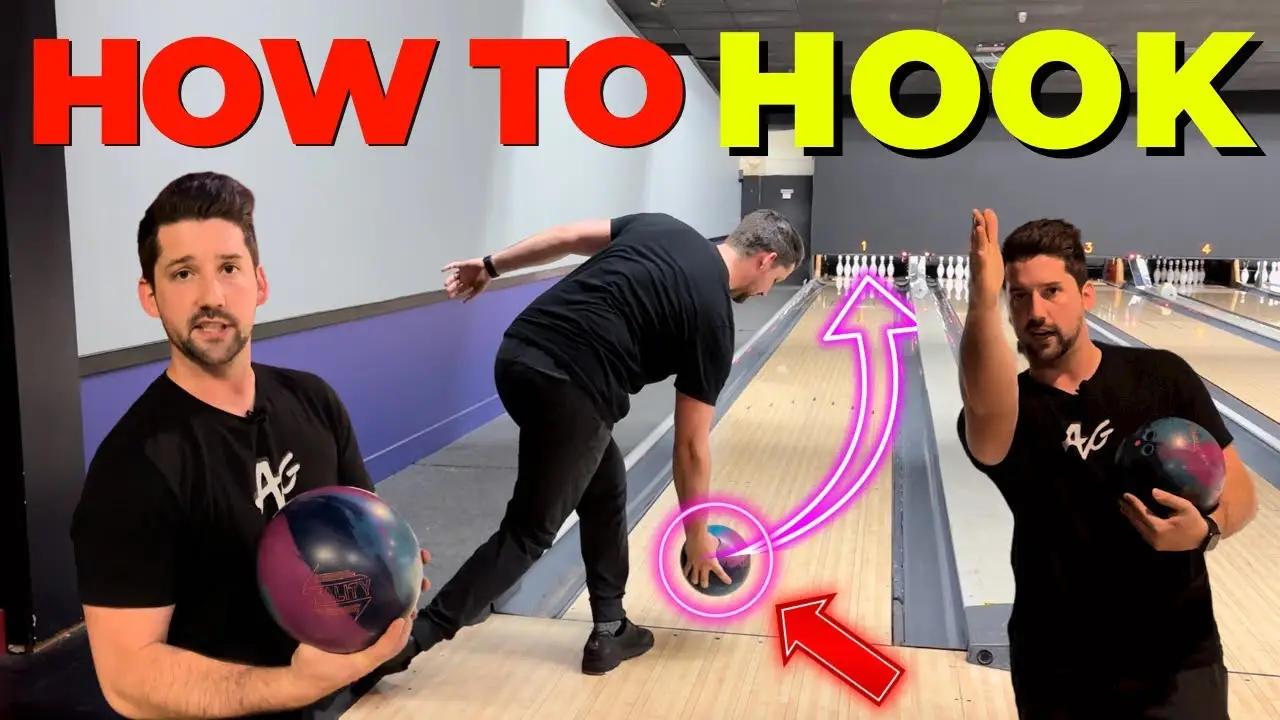
A hook ball travels mostly straight at first, then curves toward the pocket—the space between the 1 and 3 pins for a right-handed bowler, or the 1 and 2 pins for a left-handed bowler. That angled entry usually gives the ball a better chance to drive through the pins and produce strikes than a straight shot.
How to throw one
-
Choose a ball that fits your hand. Your thumb should leave the hole cleanly, and your fingers should sit comfortably in the finger holes. A pro shop can fit and drill a ball for you. A ball that is too heavy or poorly fitted can make a controlled release difficult.
-
Set up for a target, not just the pins. Pick an arrow or board on the lane as your aiming point. Many bowlers start near the center and aim a little to the side of the headpin, adjusting their starting position and target to find a line that works.
-
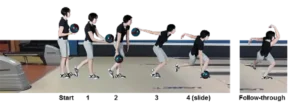
Use a relaxed, repeatable approach. Walk toward the foul line with your shoulders and swing aligned to your target. Let the ball swing freely like a pendulum; avoid muscling it with your arm.
-
Release with your thumb first. As your hand passes your sliding foot near the bottom of the swing, let the thumb exit before the fingers. For a basic one-handed release, keep your wrist reasonably firm and rotate your fingers around the side of the ball—roughly from behind it toward the side—without turning your hand fully over the top.
-
Finish toward your target. Let your fingers continue upward and toward the intended line. Hold your balance and watch where the ball crosses the arrows and how it reacts downlane.
-
Adjust one thing at a time. If the ball hooks too early or crosses too far, move your feet or change your target slightly. If it doesn’t hook enough, check whether your hand is staying behind the ball, whether the lane is oily, and whether the ball and its surface suit the conditions. Small adjustments are easier to evaluate than changing several things at once.
Why bowlers use a hook
A hook helps the ball approach the pocket at an angle. That angle can improve pin carry because the ball enters the pins with more sideways motion and can deflect through the pin deck more effectively. A controlled hook also gives bowlers a way to match their line and ball reaction to changing lane oil.
Hook is not the same as simply spinning the ball as hard as possible. Excessive wrist action can reduce accuracy, strain your hand, and make the ball’s path unpredictable. Aim for a comfortable release you can repeat; speed, rotation, ball choice, and lane conditions all affect how much the ball curves.
A useful beginner progression
Start with a light enough ball to control, practice a smooth swing and clean thumb exit, and aim at a nearby lane marker. Work on repeating the same approach and release before trying to create a large hook. If you’re using a house ball, its fit and grip may limit how well you can hook it. A properly fitted ball and guidance from a qualified pro shop operator can help you develop a safer, more consistent release.
The following video can help to visualize the concept of hooking your bowling ball.